
- Major Milarepa Caves/Sites in Nepal
- Best Itinerary
- Best time to visit Lapchi Kang
- Can I trek in December and January to Lapchi?
- Famous Monastery and Caves in Lapchi
- Transportation for Lapchi Kang- Dolakha
- Lapchi Kang Milarepa Cave Tour or Trek
- Kagyu Sect of Tibetan Buddhism
- Key Characteristics of the Kagyu School
- Dorzin Dhondup Palden Rinpoche
- Historical Origins
- Tour Booking and Inquiry
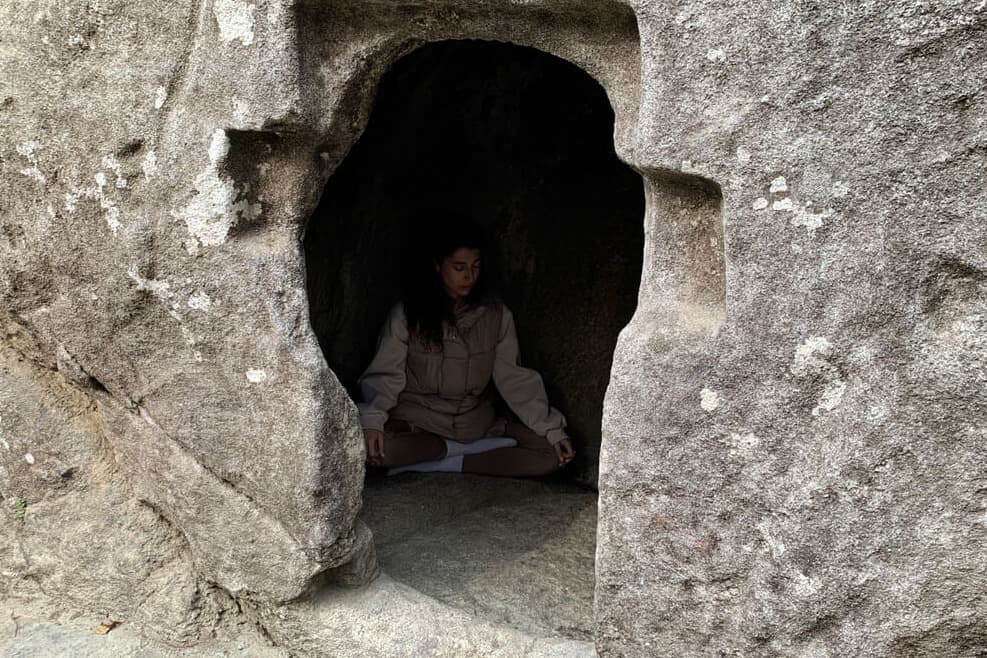
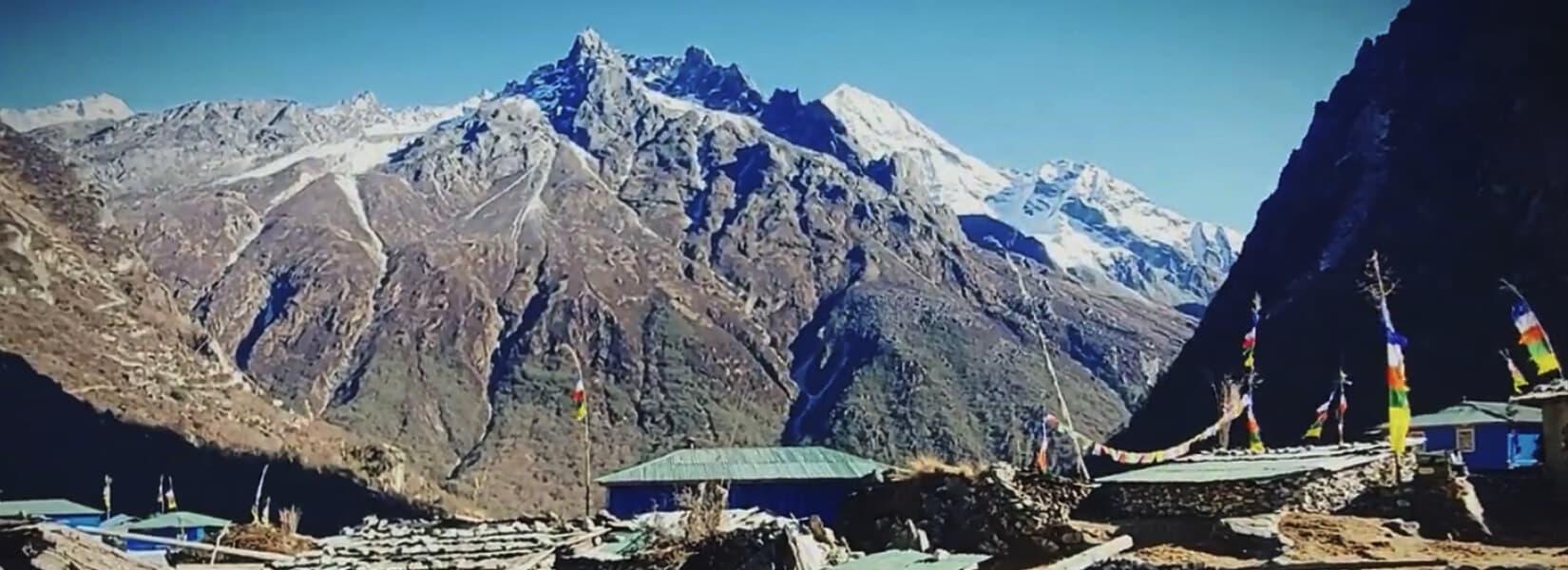
Welcome to Lapchi Kang Milarepa Cave, where the musical lyrics of Saint Milarepa resonate on the mysterious cliffs. The entire surroundings of Lapchi are deeply rooted in the spiritual delights.
Major Milarepa Caves/Sites in Nepal
Dun-dul Phug (Lapchi Kang)
Milarepa Cave, Sankhu (Near Kathmandu)
Piren Phu (Tsum Valley)
Saraswatisthan, Nagarkot
Milarepa Cave, Manang (Annapurna Circuit)
.JPG)
Best Itinerary
Day 01: Drive from Kathmandu to Lamabagar.
Day 02: Drive Lamabagar to Forest Camp and hike to Lapchi.
Day 03: Explore a couple of nearby caves.
Day 04: Hike to She Phuk and nearby caves.
Day 05: Hike back to Forest Camp and drive back to Lamabagar.
Day 06: Drive back to Lamabagar.
Best time to visit Lapchi Kang
Nepal has two wonderful seasons, especially for trekking activities in the Himalayas. The first season is spring, starting from March-April and ending in May. Then it starts the rainy season. Autumn is another perfect time to explore Lapchi Kang and Milarepa Meditation Caves. The season starts from September to October and ends in November.
.JPG)
Can I trek in December and January to Lapchi?
Yes. Although we have specified two main seasons for the trekking adventure to Lapchi Kang Milarepa Cave, it is still possible to trek in December and January. It may become a bit tough to hike to the Tibetan border, but the sites near Lapchi Kang and the meditation caves of Saint Milarepa are worth visiting.
Famous Monastery and Caves in Lapchi
.JPG)
Shephuk Cave
.JPG)
Dudul Cave
.JPG)
.jpg)
Jangchup Stupa
-0.jpg)
.jpg)
.jpg)
.jpg)
.jpg)
.jpg)
Transportation for Lapchi Kang- Dolakha
We provide a jeep/bus depending on the number of travelers. These vehicles are run by professional drivers with some stops on the way.
Lapchi Kang Milarepa Cave Tour or Trek
.JPG)
Kagyu Sect of Tibetan Buddhism
Kagyu Sect of Tibetan Buddhism (Tibetan: བཀའ་བརྒྱུད་, Kagyu, meaning "oral lineage" or "lineage of the spoken transmission") is a significant branch among the four branches of Tibetan Buddhism. The other branches include Nyingma, Sakya, and Gelug. The Kagyu sect of Tibetan Buddhism focuses on the practice and experiential realization over scholastic study, and is particularly known for its lineage of yogic masters and its teachings on Mahamudra and Six Yogas of Naropa.
.JPG)
Core Teachings
- Mahamudra: A meditation system aimed at directly realizing the nature of the mind.
- Six Yogas of Naropa: Advanced tantric practices to generate insight and yogic power.
- Guru Yoga: Devotion to the guru is essential, as blessings are transmitted directly through the teacher-student bond.
Main Kagyu Sub-Schools
- Karma Kagyu- main lineage
- Drikung Kagyu
- Drukpa Kagyu (Bhutanese tradition)
- Shangpa Kagyu
Key Characteristics of the Kagyu School
- Oral Transmission: The name "Kagyu" reflects its strong emphasis on direct, oral transmission of teachings from master to student.
- Meditation-Oriented: Strong focus on meditation, especially Mahamudra (the Great Seal), which points directly to the nature of the mind.
- Lineage of Realized Masters: Great importance is placed on devotion to a spiritual teacher (lama) and the unbroken lineage of realization.
.JPG)
Dorzin Dhondup Palden Rinpoche
(Current Head Lama- the text is brought from the monastery book)
The Yogi of great Mahamudra Lapchi Dorzin Dondup Palden was born in 1951, a born vegetarian and always recites Ah syllable in his childhood. He has received the entire cycle of the five-fold path of Mahamudra teachings, reading transmission, and pith instructions from His Holiness, Drikung Kyabgon Rinpoche, Drubwang Chozang Rinpoche, H. E. Garchen Rinpoche, Singdrak Rinpoche, etc. He has gone through the listening and contemplation on the entire cycle of Drikung Kagyu pith instructions and philosophical teachings, respectively, and he practices all.
In the year 1994, he went to Lapchi to continue his practice and completely dedicate his life. He solely focuses his mind on dharma and becomes a son of the mountain, giving up the mundane view of food, clothes, and name. Abiding in the solitary place, here he practiced the father-dharma, which was the outer body practice of the deity, inner heart practice of the deity, secret practice, innermost, secret practice, as well as he went through the practice of the profound path of Mahamudra, skillful means of the six Yogas of Naropa.
In the year 2001, His Holiness anointed him as a retreat master at the Lapchi holy place. There, he has given liberation instructions to those fortunate students according to their mental dispositions. In the year 2003, 9th month of 22nd day of lunar calendar at Nyenyon (left year of Chakrasamvara), Lapchi, he was enthroned as the 40th Lachi Dorzin by the supreme head of the Drikung Kagyu lineage, His Holiness the Drikung Kyabgon Chetsang Rinpoche.
Due to the transition of time, the Rechen temple and retreat caves were neglected for almost half a century. Therefore, temples and all rereat caves were left with nothing but ruined walls. However, by the great aspiration prayers from His Holiness and H. E. Nubpa Rinpoche, the current Dorzin Rinpoche has taken great responsibility to rebuild the temple as well as restore all the retreat caves, also statues and texts were prepared inside the temple as objects of worship. In terms of the practice, he has restored the practice of Mahamudra and Six Yogas of Naropa, and also the annual Chakrasamvara and Vajravarahi sadhana practice is restored.
Now everything goes smoothly and in the most prosperous way in Lapchi. He is not only a great practitioner, but he is also well-versed in writing. He has written a life story of Lord Jiten Sumgon, Chakrasamvara sadhana, the entire cycle of teaching and practices on Vajravarahi, his pure vision red Achi practice text (Sadhana), etc. He has practiced since he was around 35 and is still so active in practice. He also gave transmission to anyone interested in the dharma, without discriminating between high rank or low rank. He has no interest in showing off his ego of high rank. He interacts with others in a humble way, and he follows the footsteps of the past enlightened one.
Historical Origins
Indian Roots:
- The Kagyu lineage begins with Tilopa (988–1069).
- Tilopa passed the teachings to Naropa (propounded the Six Yogas of Naropa).
Tibetan Founders:
- Marpa Lotsawa (1012–1097).
- Milarepa (1040–1123): Marpa’s most famous student, renowned for his ascetic life, poetry, and deep realization.
- Gampopa (1079–1153): Milarepa’s disciple who created the foundation for the Kagyu monastic tradition.
Nepal Kameleon assists you in taking you into the heart of Milarepa Meditation Sites and Caves in Nepal by providing you with transport, accommodation, and overall trip arrangements.
Tour Booking and Inquiry
WhatsApp: +9779849213957 (also better to do email)
Email: [email protected]